


If you’ve spent any time researching protein powders, you’ve likely come across the debate:
Whey isolate vs whey protein blend.
One is often marketed as the “cleaner” and more advanced option. The other is sometimes seen as a step down.
But when you look past the marketing and focus on real-world results, the difference becomes much less dramatic—and much more practical.
Understanding the Basics
Whey protein comes from milk and is one of the most effective protein sources for supporting muscle growth, recovery, and overall performance.
The two most common forms you’ll see are:
Whey isolate, which is further processed to remove most fats, carbohydrates, and lactose, resulting in a higher percentage of protein per serving.
Whey protein blends, which combine different forms of protein—typically whey isolate and whey concentrate—to create a more balanced digestion and absorption profile.
At a surface level, isolate looks superior. It’s leaner, faster digesting, and often carries a “premium” label.
But that doesn’t automatically mean better results.
Muscle Growth: More Similar Than Different
When it comes to building muscle, the body doesn’t reward labels—it responds to amino acids and consistency.
Both whey isolate and high-quality blends provide:
-
Complete amino acid profiles
-
High leucine content (critical for muscle protein synthesis)
-
Fast access to protein for recovery
In practical terms, this means both options effectively support:
-
Muscle repair after training
-
Lean muscle growth
-
Recovery between sessions
For most people, the difference in muscle-building outcomes is minimal to non-existent.
Digestion Speed: Faster Isn’t Always Better
Whey isolate is known for its rapid absorption. That can be useful in certain situations, like immediately post-workout.
However, a protein blend introduces a different advantage: a more sustained release of amino acids.
Instead of a quick spike and drop, blends provide a steadier supply of nutrients to your muscles over time. This can support longer recovery windows and more stable protein utilization throughout the day.
Think of it less as “fast vs slow” and more as:
-
Isolate = immediate delivery
-
Blend = extended support
For most training schedules, that extended support is actually more beneficial.
Fat Loss and Body Composition
One of the most common claims is that whey isolate is better for fat loss.
In reality, the difference comes down to small details that don’t move the needle much.
Yes, whey isolate is slightly lower in calories, fats, and carbs. But in most cases, we’re talking about a difference of 20–40 calories per serving.
Fat loss is driven by:
-
Total daily calorie intake
-
Activity level and training output
-
Hormonal balance and sleep
Not by whether your protein powder is isolate or a blend.
For the majority of people, both options fit equally well into a fat loss plan.
The Role of Lactose and Digestion
One area where isolate can have an edge is digestion—specifically for those who are sensitive to lactose.
Because whey isolate is more filtered, it contains very little lactose. This can make it easier to tolerate for some individuals.
That said, many whey protein blends are still well-tolerated, especially when:
-
The blend includes a portion of isolate
-
The user does not have a severe intolerance
For most people, digestion comes down more to overall formula quality than the simple presence of isolate vs concentrate.
Cost, Consistency, and Real-World Use
This is where the conversation shifts from theory to practicality.
Whey isolate is typically more expensive due to its additional processing. Whey blends, on the other hand, often provide a better balance between quality and cost.
That matters more than most people think.
A protein you can use consistently—daily shakes, meals, recipes—will always outperform a “perfect” option that you use less often because of cost or preference.
Blends tend to offer:
-
Better flavor and texture
-
Greater versatility in use
-
Lower cost per serving
And ultimately, consistency is what drives results.
So Which One Should You Choose?
There’s no need to overcomplicate this decision.
Whey isolate can make sense if:
-
You have a strong lactose intolerance
-
You’re in a very specific, tightly controlled nutrition phase
-
You prioritize rapid digestion above all else
But for the majority of people, a whey protein blend provides everything needed to support:
-
Muscle growth
-
Recovery
-
Performance
-
Body composition goals
…without sacrificing value or usability.
Final Takeaway
The difference between whey isolate and a whey protein blend is real—but it’s often overstated.
Both can help you build muscle, recover, and hit your protein targets effectively. What matters more is choosing a product you can use consistently and integrate easily into your routine.
For most people, that makes a high-quality whey blend the smarter long-term choice.
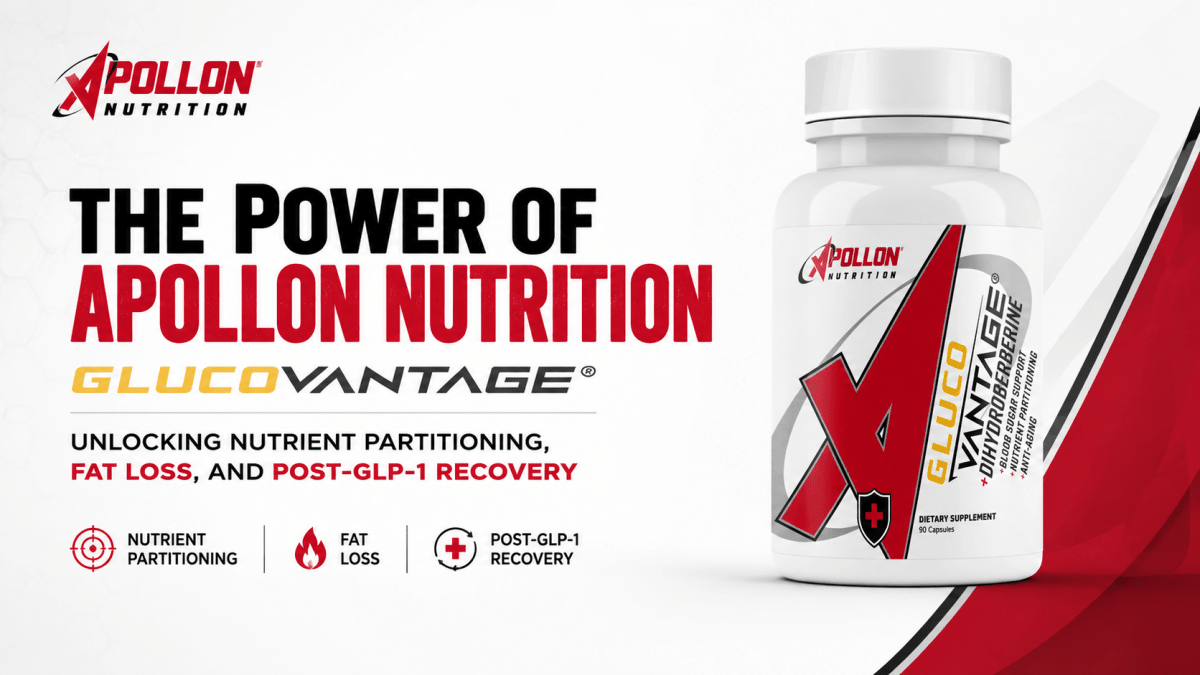
If you’re looking for an example of a well-formulated blend, something like Apollon Nutrition’s No Whey Out is built to deliver both fast and sustained protein absorption in a way that supports everyday training and recovery.
At the end of the day, the goal isn’t to chase labels—it’s to get results.
And results come from consistency.

2 comments
barbara
I’m forever grateful to Jetwebhackers for their remarkable assistance in recovering the $105,540 BTC I had lost to a crypto scam. This amount was meant to cover my husband’s urgent hospital bills, and I was deceived by a fraudster posing as Agent David, who promised me a return of $380,940 but it was all a scam. Thanks to Jetwebhackers’ expertise and dedication, I was able to recover not only the initial investment but also the profit I was promised. Their help has been a blessing to my family, and we can now focus on my husband’s recovery without financial stress. I highly recommend Jetwebhackers to anyone who has fallen victim to crypto scams. They are professional, efficient, and compassionate. Thank you, Jetwebhackers, for your exceptional service and support during a difficult time!
EMAIL: jetwebhackers@gmail.com
Telegram: @jetwebhackers
Mike Reno
Best Loan Offer For Your Business. WhatsApp: +447401473736
Hello Mr. or Ms.
This message is for individuals, for anyone in need of a personal loan to boost their business or rebuild their life . Are you looking for a loan to either restart your business, finance a project, or buy an apartment, but you are blacklisted by the bank or your application has been rejected? I am a private lender offering loans ranging from $10,000 to $8,000,000 to anyone able to meet the conditions, and an affordable interest rate of just 2%, we’re here to help you make your goals a reality.
Looking for a Fast and Flexible Loan?
Whether it’s for personal needs, a big investment, or expanding your business, we’ve got you covered!
Types of Loans We Offer:
Personal Loans
Investment & Real Estate Loans
House Renovation Loans
Charity & Community Support Loans
Debt Consolidation Loans
Business Expansion Loans
Student Loans
Car Loans
For a fast response and seamless service, contact us directly and Let us know the amount you need and your preferred repayment period, and we’ll get back to you in no time!
Your financial solution is just an email away.
We look forward to helping you achieve your dreams!
Contact me for more information:
Telegram: @Ranko3222
WhatsApp: +447401473736
https://toprapidsolution.blogspot.com/
Leave a comment
This site is protected by hCaptcha and the hCaptcha Privacy Policy and Terms of Service apply.